Trust-in
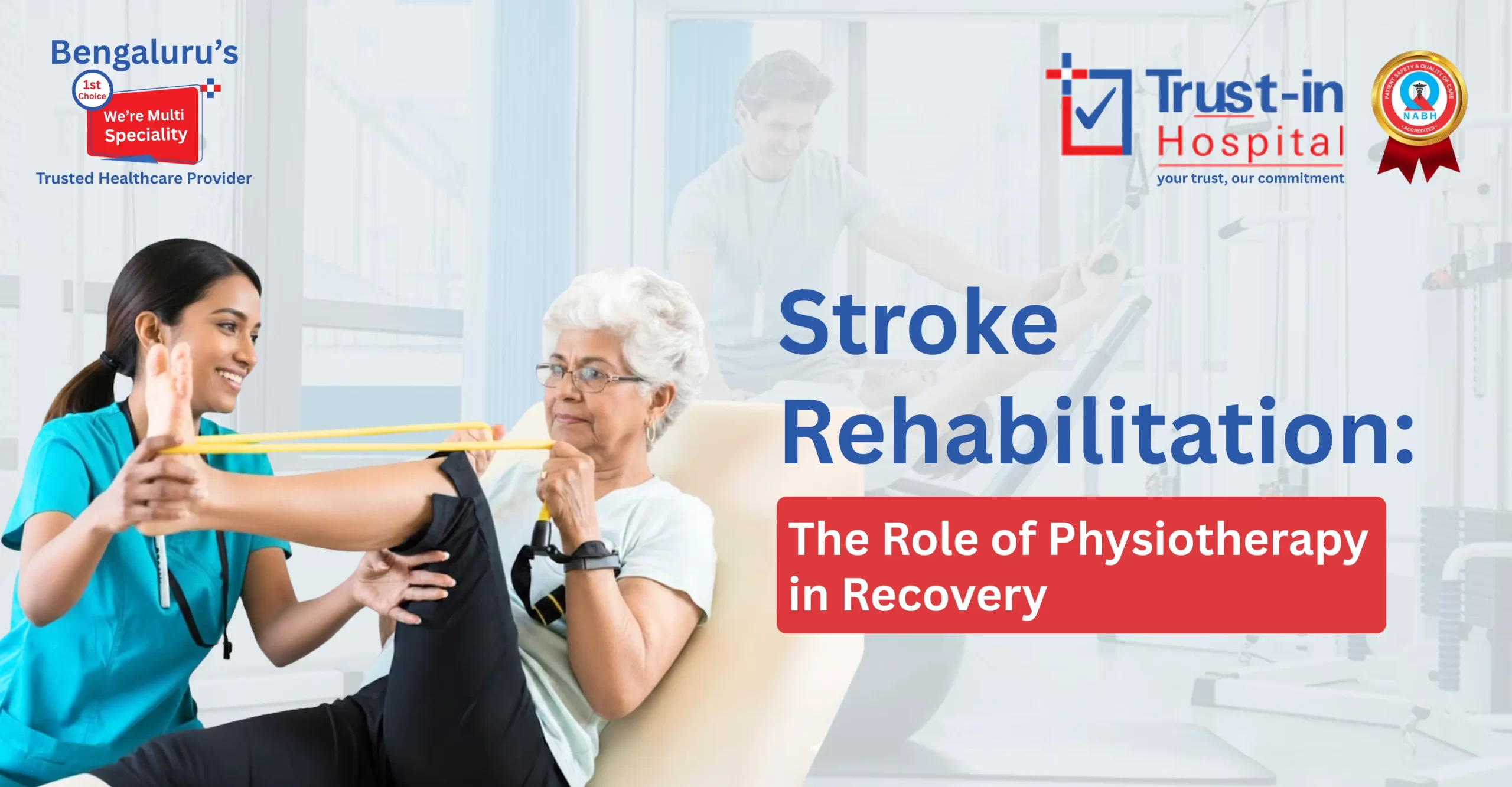
A stroke can alter a person’s life in minutes. Sudden shortcoming, discourse trouble, adjusted issues, or misfortune of coordination can altogether affect autonomy. Whereas crisis treatment centers on sparing brain tissue and stabilising the quiet, recuperation does not conclude at clinic release. Recovery plays a basic part in making a difference in those who survive getting back to work and moving forward in quality of life.Among all recuperation methodologies, physiotherapy stands as one of the most imperative components of stroke rehabilitation.
Understanding Stroke and Its Impact
A stroke happens when the blood flow to a portion of the brain is hindered, either due to a blockage (ischemic stroke) or dying (hemorrhagic stroke). When brain cells are denied of oxygen, they start to pass on within minutes.
Depending on the influenced zone, stroke may cause:
- Weakness or loss of motion on one side of the body
- Difficulty walking
- Loss of adjust and coordination
- Muscle firmness or spasticity
- Difficulty swallowing
- Fatigue
- Reduced useful independence
Early recovery is basic to minimise long-term disability.
What Is Stroke Rehabilitation?
Stroke rehabilitation is an organised recovery program outlined to offer assistance to patients relearning aptitudes misplaced after a stroke. It may include a group of masters, including:
- Physiotherapists
- Occupational therapists
- Speech therapists
- Neurologists
- Rehabilitation physicians
Among these, physiotherapy fundamentally centers on restoring development, quality, and mobility.
Why Physiotherapy Is Vital After Stroke
Physiotherapy advances neuroplasticity – the brain’s capacity to reorganize and frame modern associations. Through rehashed workouts and guided development, unaffected regions of the brain can take over a few misplaced functions.
Key objectives of physiotherapy include:
- Improving muscle strength
- Enhancing coordination
- Restoring balance
- Preventing joint stiffness
- Reducing muscle tightness
- Improving strolling ability
- Promoting freedom in everyday activities
Early intervention altogether moves forward recuperation outcomes.
Phases of Stroke Rehabilitation
Recovery happens in stages, and physiotherapy adjusts accordingly.
| Phase | Focus of Physiotherapy |
| Acute stage (clinic stay) | Prevent complications, start tender movements |
| Subacute stage (weeks after stroke) | Improve quality and mobility |
| Chronic stage (months to years) | Maximize autonomy and refine engine skills |
Consistency amid each stage underpins relentless improvement.
Physiotherapy Methods Utilized in Stroke Rehabilitation
Physiotherapists utilize evidence-based strategies custom fitted to each patient’s condition.
- Extent of Movement Exercises
These works anticipate solidness and keep up joint adaptability, particularly in frail limbs.
- Quality Training
Gradual resistance workouts offer assistance to revamp muscle control and endurance.
- Adjust and Coordinate Training
Activities such as supported standing or adjusting board work out offer assistance to anticipate falls.
- Walk Training
Patients relearn how to walk securely utilizing assistive gadgets when necessary.
- Useful Errand Training
Practicing regular errands like sitting, standing, or exchanging from bed to chair moves forward independence.
- Neuromuscular Re-education
This approach retrains the apprehensive framework to progress development patterns.
Benefits of Physiotherapy After Stroke
Physiotherapy gives quantifiable physical and mental benefits.
| Benefit | Impact on Patient |
| Improved mobility | Greater independence |
| Enhanced muscle strength | Reduced fatigue |
| Better balance | Lower drop risk |
| Reduced spasticity | Improved comfort |
| Increased confidence | Better enthusiastic well-being |
Recovery is frequently continuous, but unfaltering advance builds motivation.
How Long Does Stroke Rehabilitation Take?
Recovery timelines shift broadly depending on:
- Severity of stroke
- Area of brain affected
- Patient’s age
- Overall wellbeing condition
- Early start of therapy
Some patients move forward in months, whereas others may proceed with treatment for a long time. Continuous workouts at domestic stays are fundamental indeed after formal sessions end.
The Significance of Early Action
Research appears to show that beginning physiotherapy as early as therapeutically secure can essentially result in great advances. Tender development anticipates complications such as:
- Bedsores
- Blood clots
- Muscle contractures
- Loss of muscle mass
Early action also boosts resolve and empowers dynamic support in recovery.
Role of Family and Caregivers
Family association upgrades recuperation results. Caregivers can:
- Encourage day-by-day work routines.
- Assist with secure mobility
- Monitor for complications
- Provide enthusiastic support
Education around secure taking care of and exchange procedures is fundamental to avoid injury.
Emotional and Mental Recovery
Beyond physical mending, stroke survivors frequently experience uneasiness, dissatisfaction, or misery. Restoration gives structure and reason, making a difference as people recapture certainty. Little improvements—such as standing freely or taking a few steps – can essentially elevate morale.
- Holistic recuperation addresses both body and mind.
- Preventing Future Stroke
Physiotherapy, moreover, emphasizes auxiliary avoidance by empowering way of life changes:
- Blood weight control
- Diabetes management
- Regular physical activity
- Healthy diet
- Smoking cessation
- Medication adherence
Preventive techniques decrease the probability of recurrence.
When to Look for Quick Medical Attention
During restoration, look for pressing care if the persistent develops:
- Sudden weakness
- New discourse difficulty
- Severe headache
- Vision changes
- Loss of consciousness
These may demonstrate another vascular event.
Conclusion
Trust-in Hospital provides comprehensive stroke rehabilitation through a structured, goal-orientated approach designed to restore function and independence. Physiotherapy plays a central part by retraining development, fortifying muscles, progressing change, and supporting neuroplastic recovery.
While recovery may require patience and determination, reliable physiotherapy combined with family support and restorative direction altogether improves results. With devotion and appropriate care, numerous recapture important freedom and make improvements to their general quality of life.
Frequently Asked Questions (FAQs)
- Can stroke patients completely recover?
Some patients accomplish near-complete recuperation, whereas others may have remaining shortcomings. Early and steady treatment moves forward the chances of noteworthy improvement.
- Is physiotherapy painful?
Exercises may feel challenging, but they are outlined to be secure and slowly progressive.
- How frequently should treatment sessions occur?
Frequency depends on seriousness. Numerous patients start with day by day sessions amid early recovery.
- Can recuperation proceed a long time after a stroke?
Yes. The brain holds the capacity to adjust over time, particularly with proceeded practice.
- Do all stroke survivors require physiotherapy?
Most advantage from it, especially those with development or adjust issues.