
Trust-in
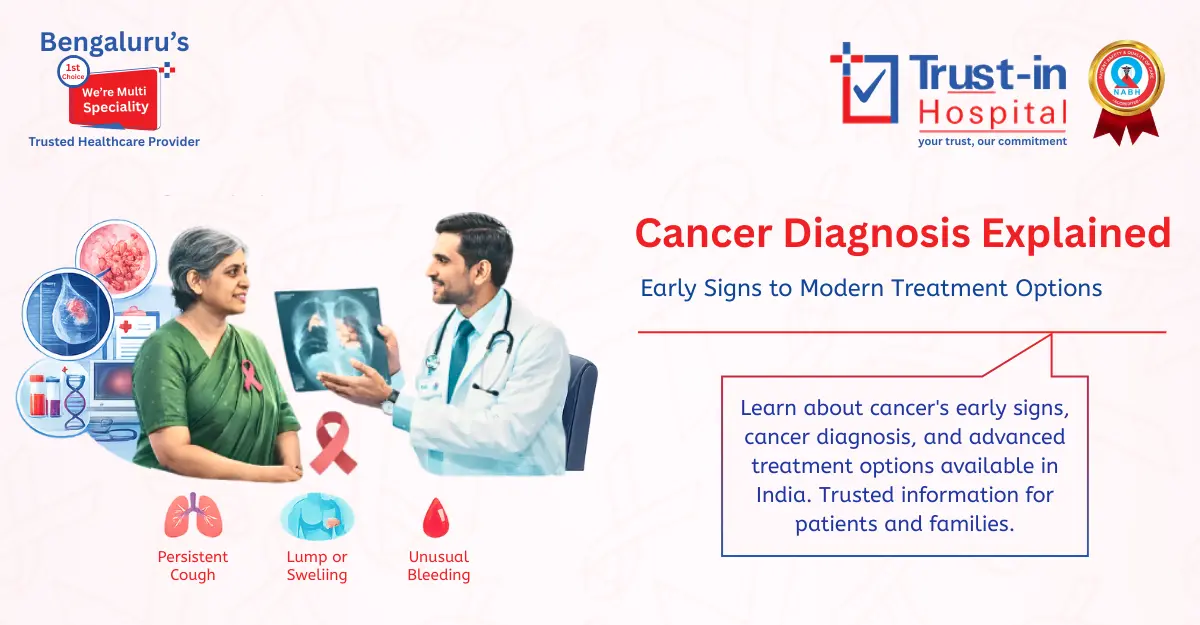
Cancer Diagnosis strikes fear in many hearts. It starts as uncontrolled growth of cells in the body. These cells divide too fast and crowd out healthy ones. Each year, millions face this foe. But knowledge lights the path forward. This article breaks down cancer Diagnosis from its roots to the latest ways to fight it. You’ll learn about early signs, diagnosis steps, and treatment choices. Understanding helps you spot issues early and seek care.
Benign vs. Malignant Tumors
Tumors are cell clumps. Benign ones stay put. They grow slow and don’t spread. You might remove a benign lump with simple surgery. It rarely returns.
Malignant tumors act different. They invade nearby areas. Cancer cells break off and metastasize. This spreading makes treatment harder.
Spot the difference? Benign causes local issues, like blocking a duct. Malignant threatens the whole body. Oncologists use biopsies as part of the cancer Diagnosis process to tell them apart. Early recognition saves lives.
Recognizing the Warning Signs: Early Detection is Key
You know your body best. Changes that last weeks deserve a check. The initial symptoms of cancer develop into visible signs during the early stages of the disease. The probability of cancer recovery increases when patients detect their symptoms within the first month. At the beginning stage of the disease, most cancer types remain undetectable. The process of creating awareness helps people receive prompt cancer diagnosis of the disease.
Don’t ignore nagging issues. Your visit to the doctor, therefore, can give you peace of mind or catch something trouble before it becomes big trouble. Your age and your habits also play in this respect.
General Symptoms That Warrant Medical Attention
Fatigue hits hard with cancer. You feel wiped out even after rest. It stems from the body fighting the invader.
Unexplained weight loss alarms too. Dropping pounds without diet changes signals cells burning energy wrong.
Persistent pain lingers in bones or organs. It differs from a pulled muscle. Fevers without infection point to hidden battles inside.
Lumps under skin or in nodes need a look. Night sweats or ongoing coughs join the list. These clues vary but demand action.
Common Cancer-Specific Early Indicators (The “Lumps and Bumps” vs. Hidden Signs)
- Breast cancer often shows as a lump. You feel it during self-exam. Skin dimpling or nipple changes add worry.
- Lung issues bring a cough that won’t quit. Blood in spit or chest pain follows. Smokers face higher risks here.
- Colon cancer alters bowel habits. Blood in stool or cramps signal polyps turning bad. Hidden signs like anemia sneak up.
- Skin cancer appears as new moles. Watch for asymmetry, irregular borders, color shifts, diameter over a pencil eraser, or evolving spots—the ABCDE rule.
- For prostate, trouble urinating or weak stream hints at growth.
- Testicular cancer feels like a lump in the sac. Self-checks monthly help. Run hands gently over skin or areas.
*Note changes and tell your doctor fast.
The Power of Screening: Statistics on Early Detection Success
- Screenings save lives. Mammograms find breast cancer before lumps form. Women over 40 benefit most.
- Colonoscopies spot colon polyps early. Remove them, and you prevent cancer. Pap tests catch cervical changes too.
- Stats show the win. Stats show the win. Stage I breast cancer has a 99% chance of 99% five-year survival rate. Stage IV drops to 29%. Early colon detection boosts survival to 90% versus 14% late.
- Lung CT scans for high-risk smokers cut deaths by 20%. Start screenings at recommended ages. They turn the tide in early cancer diagnosis.
Diagnosis and Staging: Mapping the Disease
- Symptoms lead to tests.
- Diagnosis confirms cancer type.
- Staging maps its reach.
- This guides your treatment plan after cancer diagnosis.
Diagnostic Procedures: From Imaging to Biopsy
- Imaging begins the hunt, with X-rays revealing bone issues and CT scans slicing body views like bread.
- MRI uses magnets for soft tissue detail, while PET scans light up active cancer spots with tracers.
- The biopsy procedure confirms diagnosis when doctors extract tissue through a needle for laboratory testing which pathologists use to detect cancer cells through microscopic examination.
- Medical professionals use endoscopes to access the gastrointestinal tract and lungs for direct observation while blood tests search for tumor markers to examine the designated area.
Stages combine these factors:
- Stage I is small and local;
- Stage II and III show growth with node involvement;
- Stage IV means spread to distant sites. Your stage sets the treatment options.
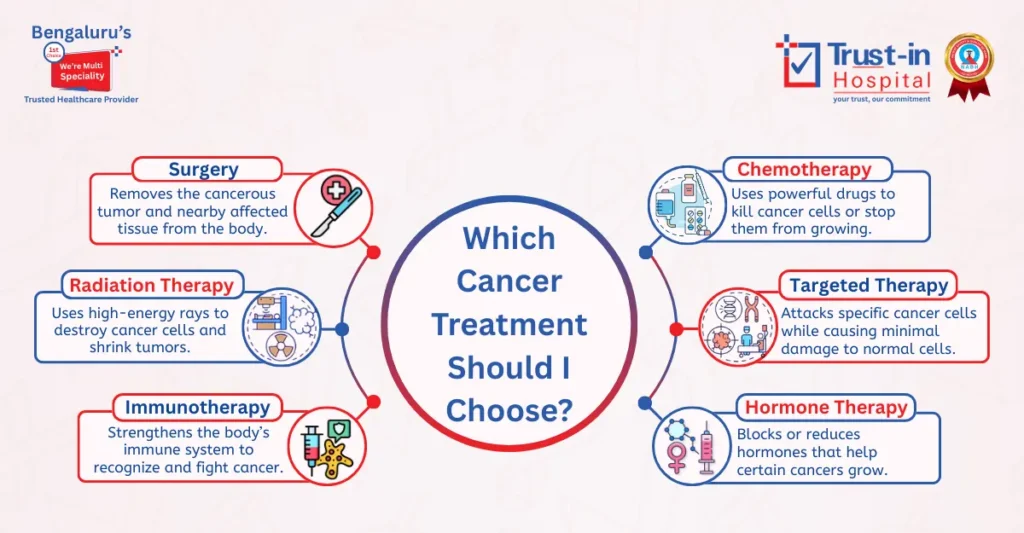
Modern Treatment Modalities: Precision and Progress
Treatments have evolved quickly: old methods cut, poison, or burn cells, while new ones target cancer’s flaws with precision. Treatment choices depend on the type, stage, and health, with teams tailoring plans, and hope growing with each new advance.
Surgery—Surgery removes tumors, with laparoscopic methods using small cuts for quicker healing.
Chemotherapy—Chemo drugs kill fast-dividing cells. IV drips or pills deliver them. Side effects like nausea hit, but meds ease now.
Radiation—Radiation therapy zaps beams at cancer. It shrinks lumps without full cuts. New tech like proton beams spare healthy tissue.
Targeted Therapy: Attacking Specific Weaknesses
Targeted drugs focus on cancer’s weak spots, blocking signals for growth. For example, EGFR inhibitors slow lung cancers that have that specific flaw. Targeted drugs tend to have fewer side effects than chemo—hair loss is less noticeable, and energy levels tend to hold up better.
Pills or infusions can be used, with Imatinib taming chronic leukemia by blocking kinases. It works best when matched to the tumor’s specific profile for the most effective hits.
Immunotherapy: Harnessing the Body’s Defenses
Your immune system fights intruders, but cancer hides from it. Immunotherapy reveals the cancer when checkpoint inhibitors such as pembrolizumab disable T-cell restrictions which then proceed to fight against melanoma and lung cancer tumors.
CAR T-cell therapy engineers your own cells, tweaking them in labs to hunt blood cancers. It’s led to remissions for kids with leukemia.
Managing Treatment Side Effects and Survivorship Care
People can reduce extreme fatigue through light walking and short sleeping periods. The medication together with therapy methods prevents nerve discomfort which results from neuropathy. To combat nausea, eat a balanced diet and drink plenty of water. Plans monitor health after treatment.
Blood work spots and scans return early. Exercise, diet, and checkups are guided by survivorship programs. Tailored care keeps quality high.
Conclusion: Empowered Forward Motion
The defence process begins when people recognize early warning signs which include unusual lumps and persistent fatigue. Cancer diagnosis establishes facts through its screening process and its biopsy results. At Trust-In Hospital, patients benefit from the combined power of advanced genomic testing and artificial intelligence–assisted diagnostic tools that enhance early detection accuracy. The program provides support to help users manage their condition through side effect control tips and clinical trial information. Knowledge serves as your defense against fear. The survival rates increase every year because of medical developments which enable more patients to live at least five years based on their specialized treatment and their early disease detection.