Welcome to Trust-in Multispeciality Hospital, Your trusted Healthcare in Horamavu
Multispeciality Hospital in Bangalore | Trust-in
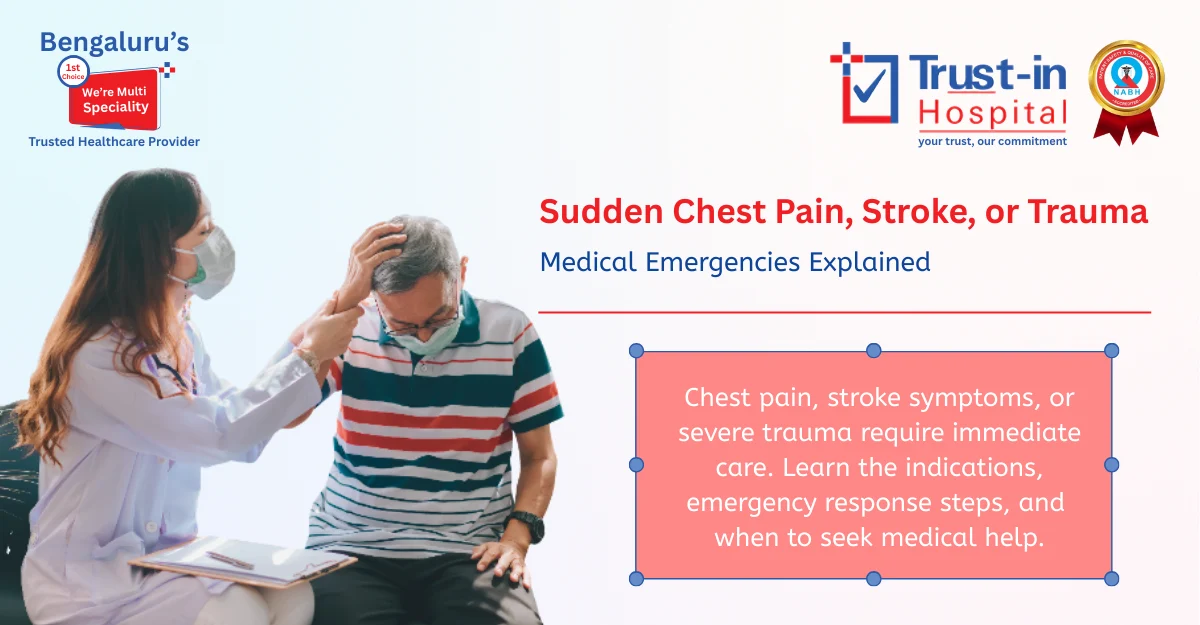
Health emergencies once in a while provide progress. An individual may feel normal one moment and then suddenly develop severe chest pain and speech difficulties and critical injuries to another person. The situations become medical emergencies because they can lead to death or brain damage or vital organ failure without prompt medical intervention.
Understanding how to perceive caution signs and knowing when to look for critical care can make a life-saving distinction. This article clarifies common crises such as chest pain, stroke, and trauma; why emergency action is important; and how opportune medical care progresses outcomes.
What Is a Medical Emergency?
A medical emergency occurs when a person requires immediate medical help for their health condition because this emergency will lead to their body sustaining serious harm or permanent disability or death. The situation can escalate into a more severe state which requires professional medical assistance instead of home treatment.
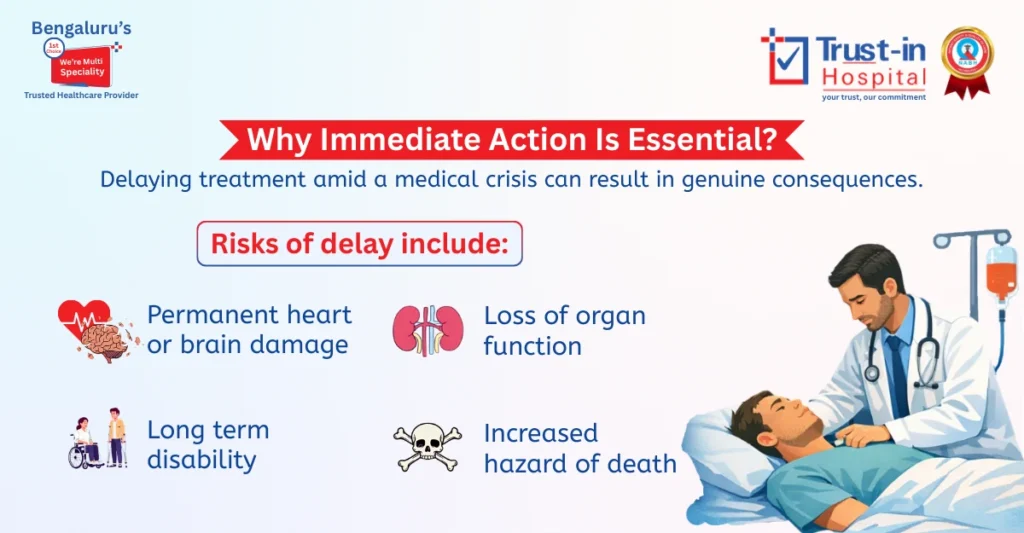
Why Immediate Action Is Essential
Delaying treatment amid a medical crisis can result in genuine consequences.
Risks of delay include:
- Permanent heart or brain damage
- Long-term disability
- Loss of organ function
- Increased hazard of death
Many critical conditions are exceedingly treatable when care is given early. Acting rapidly frequently implies the distinction between full recuperation and enduring complications.
Sudden Chest Pain: Never ignore this symptom
Chest pain is one of the most common reasons individuals visit crisis divisions. Whereas not all chest pain is related to the heart, it ought to continuously be taken seriously.
Possible causes of sudden chest pain:
- Heart attack
- Reduced bloodstream to the heart
- Blood clot in the lungs
- Severe corrosive reflux
- Tear in a major blood vessel
Heart-related causes are the most perilous and require pressing evaluation.
Contact emergency care if chest pain is triggered by:
- Pressure, snugness, or greatness in the chest
- Pain spreading to the arm, neck, jaw, ear, or back
- Shortness of breath
- Sweating, sickness, or dizziness
- A sudden feeling of fear or discomfort
These indications may demonstrate a heart assault and ought to be treated as a therapeutic emergency.
Stroke: Each Miniature Matters
A stroke happens when the bloodstream to a part of the brain is blocked or when a blood vessel in the brain bursts. Brain cells start to pass on inside minutes, which is why quick treatment is essential.
Use the QUICK strategy to recognise stroke symptoms:
| Signs | Action to be taken |
| Face | Drooping on one side |
| Arms | Weakness or failure to raise one arm |
| Speech | Broken or confused speech |
| Time | Seek crisis care immediately |
Other caution signs include:
- Sudden confusion
- Loss of vision in one or both eyes
- Severe migraine with no clear cause
- Loss of balance or coordination
Any of these side effects require prompt crisis care.
Why early treatment matters:
- Limits brain damage
- Improves chances of recovery
- Reduces hazard of loss of motion or discourse problems
- Saves lives
Trauma: Wounds That Require Critical Attention
Trauma generally refers to genuine physical wounds caused by accidents or impacts. Indeed, when wounds are not clearly obvious, inner injuries may be present.
Common causes of traumatic emergencies:
- Road activity accidents
- Falls from height
- Sports injuries
- Workplace accidents
- Physical assault
- Warning signs of genuine trauma:
- Heavy or uncontrolled bleeding
- Head injury with confusion or fainting
- Severe stomach torment or swelling
- Broken or obviously distorted bones
- Breathing trouble after injury
Prompt crisis care makes a difference in balancing out the quiet and avoiding advanced complications.
What to Do during a Medical Emergency?
Knowing how to react calmly can spare a life.
Step 1: Get Quick Help
- Call emergency medical services nearby right away
- Clearly depict indications and location
- Do not drive the understanding if their condition is unstable
Step 2: Keep the Individual Safe
- Help them sit or lie down comfortably
- Loosen tight clothing
- Keep them warm and calm
- Do not grant any food, drink, or medicine unless instructed
Step 3: Take after Instructions
Emergency doctors may guide you over the phone on what to do while help is on the way. It’s important to stay calm and carefully follow their instructions until professional assistance arrives.
How Medical Emergency Care Helps
Emergency divisions are outlined to oversee life-threatening conditions rapidly and efficiently. They provide:
- Rapid demonstrative tests
- Immediate medications
- Advanced life-support systems
- Specialist care
- Continuous monitoring
Early access to emergency care essentially progresses survival and recovery.
When You Shouldn’t Self-Treat or Hold Up
Self-treatment or waiting to see if symptoms improve can be dangerous during a medical emergency. Conditions such as heart attacks, strokes, internal bleeding , and extreme wounds can compound abruptly without warning.
If side effects are sudden, extreme, or unexplained, emergency treatment is continuously the most secure choice.
Reducing the Chance of Emergencies
When all emergencies cannot be avoided, certain steps can lower risk:
- Regular wellbeing check-ups
- Managing conditions like diabetes and tall blood pressure
- Avoiding smoking and overconsuming alcohol
- Using situate belts and defensive equipment
- Recognising early caution signs
Awareness and avoidance play a key part in remaining prepared.
Frequently Asked Questions
- How do I know if something is a medical emergency?
If indications are sudden, extreme, or life-threatening, look for emergency care immediately.
- Should chest pain continuously be checked urgently?
Yes. Chest pain ought to never be overlooked, even if it appears mild.
- Can early treatment truly move forward outcomes?
Yes. Early emergency care significantly improves survival and recovery.
- Is it safe to wait and see if symptoms improve?
No, it is not safe to wait. If symptoms appear, you should seek medical help immediately, as delaying care can be dangerous.
Conclusion
Sudden chest pain, stroke indications, and traumatic wounds are genuine wellbeing occasions that require prompt activity. Each speaks to a circumstance where time, mindfulness, and quick medical reaction can spare lives, and Trust-in Hospital in Bangalore provides the immediate and professional care needed in such critical situations. Perceiving caution signs and looking for proficient care decreases complications and moves forward long-term results.



1 Comment: